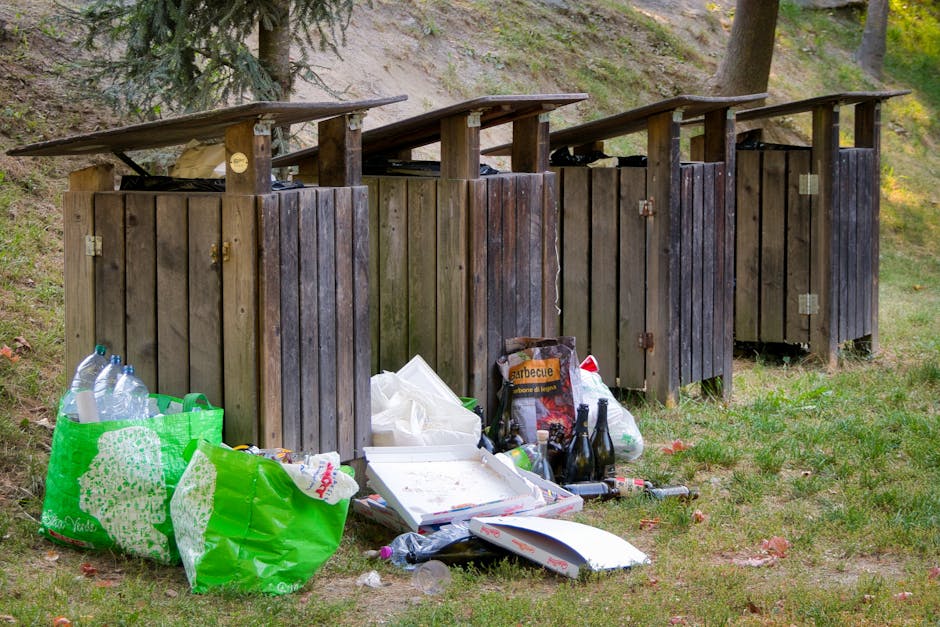
Grahame Park Estate bulky waste collection Colindale: a practical guide to clearing large items without the stress
If you live in Grahame Park Estate and you are trying to get rid of a sofa, mattress, wardrobe, broken appliance, or a mixed pile of awkward household waste, you already know the problem. Bulky items are heavy, they take up space fast, and they never seem to move themselves. That is exactly where Grahame Park Estate bulky waste collection Colindale becomes useful: it gives residents a clear, local way to remove large items safely, quickly, and with far less disruption.
In this guide, we will walk through how bulky waste collection works, what to expect, who it suits best, and how to avoid the usual headaches. We will also cover practical prep tips, common mistakes, and a few real-world considerations that matter in estate living, where access, stairwells, shared areas, and timing can make all the difference.
To make navigation easier, here is a simple contents list.
- Why Grahame Park Estate bulky waste collection Colindale Matters
- How Grahame Park Estate bulky waste collection Colindale Works
- Key Benefits and Practical Advantages
- Who This Is For and When It Makes Sense
- Step-by-Step Guidance
- Expert Tips for Better Results
- Common Mistakes to Avoid
- Tools, Resources and Recommendations
- Law, Compliance, Standards, or Best Practice
- Options, Methods, or Comparison Table
- Case Study or Real-World Example
- Practical Checklist
- Conclusion
- Frequently Asked Questions
Table of Contents
- Why Grahame Park Estate bulky waste collection Colindale Matters
- How Grahame Park Estate bulky waste collection Colindale Works
- Key Benefits and Practical Advantages
- Who This Is For and When It Makes Sense
- Step-by-Step Guidance
- Expert Tips for Better Results
- Common Mistakes to Avoid
- Tools, Resources and Recommendations
- Law, Compliance, Standards, or Best Practice
- Options, Methods, or Comparison Table
- Case Study or Real-World Example
- Practical Checklist
- Conclusion
- Frequently Asked Questions
Why Grahame Park Estate bulky waste collection Colindale Matters
Bulky waste is different from ordinary bin waste. It is the kind of rubbish that looks harmless at first, then quickly becomes a nuisance: an old three-seater sofa by the wall, a mattress left in a hallway, a busted chest of drawers waiting for "later", or flat-pack furniture that has outlived its usefulness. On an estate like Grahame Park, that sort of clutter can affect more than just one household.
Shared entrances can get blocked, lifts can be burdened, and communal areas can start looking untidy very quickly. Let's face it, nobody wants to step around a soaking damp mattress on the way to work. It is unpleasant, and it can also create fire safety and access concerns if items are left in common spaces too long.
There is also a simple truth about bulky waste: if you do not plan the removal properly, it can become a weekend-eating project. A single item can be awkward enough. A full clear-out can turn into lifting, borrowing a van, finding help, loading, unloading, and figuring out where everything should go. That is a lot of faff for something that is supposed to make life easier.
A sensible bulky waste collection service helps reduce that pressure. It brings structure to the process and gives residents a better way to clear unwanted items without turning the job into a mini renovation. If you are also dealing with wider decluttering, services such as house clearance, flat clearance, or furniture disposal may be relevant, especially when the bulky waste is part of a bigger tidy-up.
Practical takeaway: bulky waste collection matters because it protects shared spaces, saves time, and removes the physical strain and uncertainty that usually come with large-item disposal.
How Grahame Park Estate bulky waste collection Colindale Works
The exact process can vary depending on the provider you choose, but the general structure is usually straightforward. In most cases, you identify the items, request a quote or booking, agree a collection time, and have the waste removed from a suitable pickup point. Simple enough on paper. In real life, the details matter.
Typical stages of the collection process
- List the items clearly. Think in practical terms: sofa, bed frame, mattress, washing machine, fridge, wardrobe, exercise bike, or mixed household rubbish.
- Check access. Is the property on a higher floor? Are there tight stairwells, shared corridors, parking limits, or no-lift access? These things matter.
- Request a price or estimate. A reputable provider will usually want enough information to understand volume, access, and item type.
- Book a convenient slot. For estate residents, timing is often best kept tight and predictable, especially where neighbours and communal access are involved.
- Prepare the items. Move smaller loose contents out of drawers, separate anything reusable, and make the collection point as clear as possible.
- Collection and loading. The team removes the items, handles the lifting, and takes the waste away for sorting, reuse, or disposal.
On a practical level, the best collections feel calm and organised. You will notice the difference quickly: less noise, less waiting around, fewer "where does this go?" moments. That is especially helpful when you are clearing out an old sofa on a wet London morning and do not want it sitting by the lift for long.
If your bulky waste is mixed with general household clutter, a broader waste removal solution may be more efficient than booking item-by-item disposal. For larger domestic clearances, you might also want to review home clearance or furniture clearance options, depending on what needs to go.
Key Benefits and Practical Advantages
People usually think of bulky waste collection as just a convenience. It is that, but there is more going on underneath. The real value is in reducing friction. Less lifting. Less chaos. Less chance of leaving something outside "just for a day" and then forgetting about it for a week.
- Safer handling: Large items can be awkward and genuinely hazardous, especially on stairs or in narrow communal areas.
- Time saved: You do not have to arrange your own transport, lifting help, or disposal route.
- Better for shared living: Estate residents often need a service that works around neighbours, parking, and access rules.
- Cleaner finish: Items are removed in one visit instead of being dragged around piece by piece.
- More flexible than self-disposal: Not everyone has a van, the right equipment, or a spare afternoon.
- Potential for recycling or reuse: When items are in usable condition, there may be better outcomes than simple disposal.
There is also a quiet emotional benefit. A room feels different after bulky items are gone. Bigger. Lighter. Less mentally noisy. Truth be told, that can matter just as much as the practical side when you are living in a compact flat or trying to reclaim a spare room.
For residents who need a little more support with separate items, dedicated services like furniture clearance, garage clearance, or loft clearance can be a better fit than a one-size-fits-all approach.
Who This Is For and When It Makes Sense
Grahame Park Estate bulky waste collection Colindale makes sense for anyone dealing with large, difficult-to-move items that cannot just go out with normal rubbish. That includes residents clearing a single room and people handling a bigger life event. A move, a downsizing plan, a post-renovation tidy-up, or the aftermath of a new furniture delivery can all create bulky waste fast.
It is especially useful if:
- you live in a flat or upper-floor home with limited access;
- you do not have a car or van suitable for transport;
- the item is too heavy or awkward to move safely alone;
- you are short on time and want a clear appointment;
- you need multiple items removed together;
- you want the process handled with minimal disruption to neighbours.
It also works well for landlords, letting agents, and property managers who need a flat or communal space cleared between tenancies. A few chairs, a mattress, a broken wardrobe, and some old small appliances can pile up into a bigger job than expected, especially if the previous occupant has left in a hurry. Happens more than people think, to be fair.
If the items are tied to a business premises or workspace rather than a home, it may be more appropriate to look at office clearance or business waste removal. If the bulk waste comes from building or refurbishment work, builders waste clearance is usually the more suitable route.
Step-by-Step Guidance
If you want the smoothest possible collection, a little preparation goes a long way. Here is the simplest way to approach it.
1. Identify exactly what needs removing
Start with a proper list. Not "some old stuff in the hallway". Be specific. Note item type, rough size, and whether anything is broken into pieces already. If it is a sofa bed, say so. If the mattress is soaked or damaged, mention that too. Details help avoid awkward surprises on the day.
2. Separate bulky items from general rubbish
This saves time and money in many cases. Bulky waste is one thing; loose rubbish, bagged waste, and mixed clutter are another. If you are not sure how to separate them, look at the task as if you were boxing things up for a move. What is furniture? What is general household waste? What is recyclable material?
3. Check the access route
Measure the obvious pinch points if needed. Doorways, lift size, stair bends, and corridor width can all affect the job. In estate blocks, access is often the part people underestimate. It is not glamorous, but it is what prevents delays.
4. Clear a path where possible
Move shoes, plants, bins, loose toys, and anything else that gets in the way. Even ten minutes spent clearing the route can make the collection feel far more efficient. If a bulky item needs to be carried through a shared lobby, make that journey as short and clean as possible.
5. Ask about what happens to the waste
Good providers should be able to explain whether items will be reused, recycled, or sent for disposal. You do not need a lecture, just a clear answer. If sustainability matters to you, that transparency is worth asking for.
6. Confirm the collection details
Time, location, item list, access notes, and payment terms should all be clear before the day arrives. A quick confirmation message can save a lot of back-and-forth. Tiny detail, big relief.
7. Make the handover easy
On collection day, keep the items together and make sure someone is available if access or entry is needed. The smoother the handover, the faster the work is done.
For residents comparing service types, this is often the moment they realise that a single bulky item collection is not always enough. If several parts of the home need clearing, a combined approach via house clearance or home clearance may be simpler overall.
Expert Tips for Better Results
Most collection problems are avoidable. That is the good news. The slightly annoying news is that a few small decisions make a disproportionate difference. Here are the habits that tend to save people the most hassle.
- Take photos before booking. A clear picture of the items, especially if they are bulky or damaged, helps the provider size the job properly.
- Group similar items together. It is easier to load a neat cluster of furniture than to hunt for scattered pieces around the property.
- Remove loose personal items first. Drawer contents, papers, and anything private should be separated before collection.
- Think about downstairs storage or parking. If items are being carried through a communal space, timing and positioning matter more than people expect.
- Ask the recycling question early. If something is reusable or in good condition, say so. It can affect how it is handled.
- Keep an eye on weather and building access. Rain, icy steps, and busy entry points can slow things down. A little planning helps.
Here is a small but useful one: if you are clearing out furniture from a flat, remove cushions, shelves, and detachable parts first. It makes large items easier to move and can prevent scratches in narrow hallways. Nobody wants a freshly painted wall scuffed five minutes before the item is gone. That sting lasts all day.
If you are dealing with items from a shed, communal storage area, or outdoor space, a service like garden clearance or garage clearance may give a better result than a narrow bulky-item booking.
Common Mistakes to Avoid
A lot of bulky waste stress comes from small, preventable mistakes. Nothing dramatic. Just the sort of oversights that make a simple job feel awkward.
- Leaving booking until the last minute. If access needs to be arranged or neighbours informed, you need time.
- Underestimating item size. What looks manageable in the living room can be a nightmare on the stairwell.
- Mixing too many waste types. Bulky furniture, loose rubbish, builders' rubble, and garden waste do not always belong in the same plan.
- Not confirming access. A locked gate or blocked entrance can derail the whole collection.
- Assuming every item can be taken. Some materials need specialist handling, so it is better to ask first.
- Putting items out where they obstruct others. Shared spaces should stay clear. It is a courtesy, and sometimes a safety issue too.
A common one in estate settings is "I'll just leave it by the entrance for collection later." Sounds harmless. Usually isn't. Items left in common areas can become a nuisance very quickly, especially if the weather turns or the collection is delayed.
Another mistake is forgetting that bulky waste collection is not the same as a full declutter. If the job has spread into rooms, cupboards, loft space, or a hallway full of mixed contents, a broader service such as flat clearance may save time and reduce the number of moving parts.
Tools, Resources and Recommendations
You do not need specialist kit for every collection, but a few simple tools can make the process easier. Nothing fancy. Just practical help.
- Tape measure: useful for checking furniture width, stair turns, or lift clearance.
- Phone camera: helpful for photos when requesting an estimate.
- Strong gloves: useful for sorting loose contents or moving light items safely.
- Marker pen and tape: good for labelling items that are staying versus going.
- Blanket or sheet: can protect floors or nearby surfaces while items are moved.
For residents who want to understand service standards and expectations a bit better, it can help to review pages such as pricing and quotes, recycling and sustainability, and insurance and safety. These are the sorts of pages that usually answer the questions people ask after the initial "can you take this away?" moment.
If you are checking whether a provider feels trustworthy, it is also worth looking at about us for background, and health and safety policy for a sense of how seriously the team treats safe handling. That does not solve everything, but it is a useful signal.
And if you simply want to speak to someone before booking, the obvious next step is to use contact us. Sometimes a quick conversation clears up more than a long page of notes ever could.
Law, Compliance, Standards, or Best Practice
Bulky waste collection sits inside a wider framework of responsible waste handling. You do not need to know every legal detail to book a collection, but it is sensible to understand the basics. In the UK, householders still have a duty to ensure their waste is handed over responsibly. In plain English: do not give your rubbish to someone who cannot or will not handle it properly.
Best practice usually includes the following:
- Clear identification of waste type: especially important for anything that might need special handling.
- Safe manual handling: large items should be lifted with care, not dragged through shared areas.
- Proper transfer of waste: the waste should go to an appropriate facility or reuse route.
- Respect for communal spaces: estate living means shared responsibility.
- Transparent service terms: customers should know what is included and what is not.
For materials like electrical items, damaged fridges, or anything unusual, it is smart to ask for confirmation before collection. The point is not to create bureaucracy. It is to avoid confusion, protect safety, and keep everything above board.
Compliance also matters from a customer trust angle. A provider that is clear about its terms and conditions and privacy policy is usually easier to work with, because you know where you stand. Not exciting reading, admittedly, but helpful.
Options, Methods, or Comparison Table
There is more than one way to handle bulky waste in Colindale. The best option depends on volume, access, urgency, and how much effort you want to put in yourself.
| Option | Best for | Pros | Trade-offs |
|---|---|---|---|
| Self-disposal | Small amounts, easy access, transport available | Direct control, flexible timing | Heavy lifting, transport hassle, time-consuming |
| Booked bulky waste collection | Single items or a moderate number of large items | Convenient, organised, less physical effort | Needs planning, access must be clear |
| Full property clearance | Multiple rooms, probate, moving, or major decluttering | More comprehensive, often simpler overall | May be more than you need for one or two items |
| Specialist item service | Furniture, appliances, garden waste, or builders' debris | Better matched to the waste type | Less suitable if you have mixed items |
In practice, the right choice often comes down to one question: do you want to manage the removal yourself, or do you want the job handled cleanly and quickly? For many Grahame Park residents, the answer is pretty obvious once you factor in stairs, parking, and the sheer inconvenience of moving a large sofa without help.
Case Study or Real-World Example
Picture a resident in Grahame Park Estate who has just replaced a bedroom set. The old wardrobe is too large to dismantle easily, the mattress has seen better days, and there is a broken bedside cabinet tucked in the corner. Nothing dramatic, but enough to clutter the flat and block the spare room for another week if left alone.
Instead of trying to squeeze everything into a car, the resident identifies the items, checks the hallway access, and arranges a collection in advance. Before the team arrives, the pathway is cleared, drawer contents are removed, and the items are grouped close together. The whole thing is done in one visit. No repeated lifting. No awkward "shall we do another trip tomorrow?" conversation. Just gone.
That same approach works for slightly messier situations too, such as a garage stuffed with old chairs, a tired sofa, and a few broken shelves. In those cases, a service linked to garage clearance or furniture clearance may be the better fit, because it matches the nature of the load more closely.
The real lesson is simple: the smoother the preparation, the calmer the collection. And calmer is good. Really good, actually.
Practical Checklist
Use this checklist before your collection day. It is short, but it catches the details that matter.
- Make a clear list of every bulky item.
- Take photos of the items if you need a quote.
- Check doorways, stair turns, and lift access.
- Separate reusable items from waste.
- Remove small loose contents from furniture.
- Keep communal walkways and entrances clear.
- Confirm collection time, access, and payment details.
- Ask how items will be sorted, reused, or disposed of.
- Choose the most suitable service type for the load.
- Keep a contact point available on the day, just in case.
If you are dealing with a bigger life admin moment, perhaps a move or a relative's flat that needs clearing, you may want to combine bulky waste collection with home clearance or loft clearance. That often cuts the number of decisions in half, which is welcome when your brain is already full.
Conclusion
Grahame Park Estate bulky waste collection Colindale is really about making a practical problem easier to manage. Large items are awkward, yes, but they do not need to dominate your week. With a bit of planning, the right service choice, and a clear collection process, you can clear space safely and move on without the usual strain.
The best results come from being specific about what needs removing, checking access early, and choosing a service that matches the job rather than forcing the job to fit the service. That simple bit of judgement saves time, money, and frustration. And honestly, it just feels better when the flat is clear and the hallway is quiet again.
If you are comparing options or want help deciding what kind of clearance suits your situation, it is worth looking at the service information, policies, and pricing pages before you book. A little clarity upfront makes everything smoother later.
Get a free quote today and see how much you can save.
When the clutter is gone, the whole place breathes a bit easier. That matters more than people sometimes admit.
Frequently Asked Questions
What counts as bulky waste in Grahame Park Estate?
Bulky waste usually means large household items that are too big for normal bin collection. Common examples include sofas, beds, wardrobes, tables, mattresses, and some appliances.
Can I leave bulky items in a communal area for collection?
Only if the arrangement allows it and the space stays safe and unobstructed. In many cases, items should be kept in a designated pickup area rather than left in hallways or by entrances.
How far in advance should I book a bulky waste collection?
As early as possible if access is tricky or if you have multiple items. A bit of notice helps with planning, especially in estate blocks where timing and parking can be awkward.
Do I need to dismantle furniture before collection?
Not always, but dismantling can help if the item is too large to move safely. Removing detachable parts like cushions or shelves also makes loading easier.
What if my items include both furniture and general rubbish?
That is common. A mixed load may still be possible, but it is worth explaining exactly what you have so the service can be matched properly. Sometimes a broader clearance option is more efficient.
Is bulky waste collection better than hiring a van myself?
For many people, yes. Hiring a van means doing the lifting, transport, and disposal yourself. A collection service reduces the physical work and usually saves a lot of time.
Can bulky waste collection include electrical items?
Often yes, but it is sensible to confirm the item type first. Some electrical or specialist items need separate handling, so checking in advance avoids problems later.
What should I do before the collection team arrives?
Clear access routes, separate the items, remove personal belongings, and make sure someone is available if entry or confirmation is needed. Small prep steps make a big difference.
How do I know if I need house clearance instead?
If the job involves several rooms, lots of mixed contents, or a full property tidy-up, house clearance may be the more suitable option. Bulky waste collection is better for specific large items or smaller loads.
What happens to the bulky waste after collection?
That depends on the item and the service used. Some items may be reused or recycled, while others will go through the appropriate disposal route. If sustainability matters to you, ask how the waste is handled.
Are there safety concerns with moving bulky waste on an estate?
Yes, especially in stairwells, lifts, and shared hallways. Heavy or awkward items can cause damage or injury if they are moved carelessly, which is why a proper collection is usually the safer choice.
Where can I get help if I am not sure what service I need?
You can review the service pages, pricing information, and policies, then speak to the team directly if anything is unclear. For a straightforward next step, use the contact page and explain what you need removed.