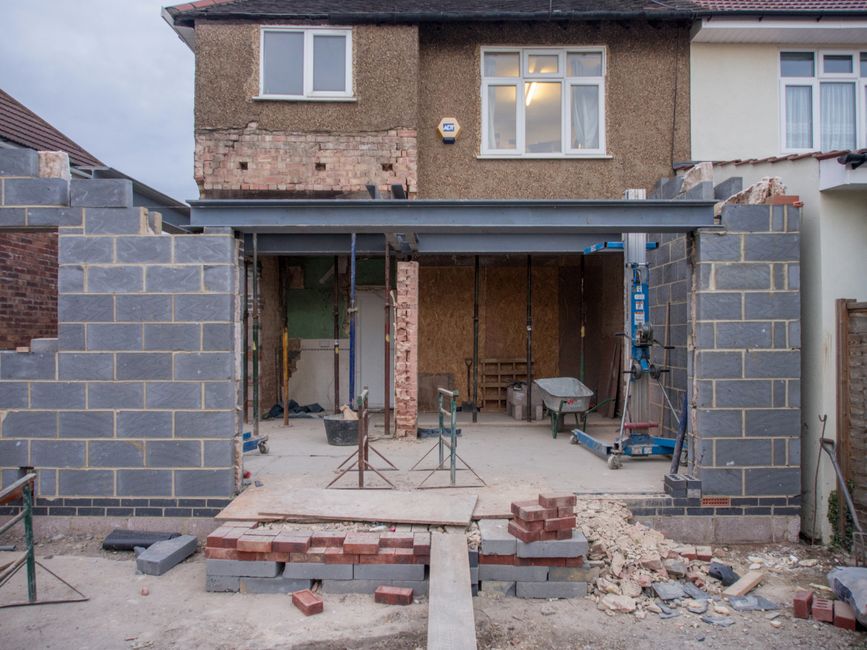
What to know about Colindale permit rules for builders waste
If you are planning a renovation, kitchen rip-out, bathroom refit, or a small trade job in Colindale, builders waste can become the thing that slows everything down. Skips, bag collections, loading space, parking stress, permit questions... it all adds up quickly. Truth be told, most people do not think about permit rules until the rubble is already piling up and the front drive is looking like a mini building site.
This guide explains what to know about Colindale permit rules for builders waste in plain English. You will learn why permits matter, how they usually work, what can go wrong, and how to plan a cleaner, smoother waste removal process without creating headaches for yourself or your contractor. We will also cover practical choices, common mistakes, and a realistic step-by-step approach that makes sense on an ordinary London street, not just on paper.
For bigger clearances, you may also want to look at builders waste clearance and broader waste removal options so you can decide what is easiest for your property, access, and timeline.
Table of Contents
- Why Colindale builders waste permit rules matter
- How the permit process typically works
- Key benefits and practical advantages
- Who this is for and when it makes sense
- Step-by-step guidance
- Expert tips for better results
- Common mistakes to avoid
- Tools, resources and recommendations
- Law, compliance, standards and best practice
- Options, methods and comparison table
- Case study or real-world example
- Practical checklist
- Conclusion
- Frequently asked questions
Why Colindale builders waste permit rules matter
Permit rules matter because builders waste is rarely just a neat pile of brick offcuts. In a place like Colindale, where roads can be busy and parking space is tight, even a short-term waste collection can affect neighbours, traffic flow, access for emergency vehicles, and the general look and safety of the street. A permit is not just red tape for the sake of it. It is part of keeping the job controlled.
If waste is being placed on a public road, pavement, or another shared space, permission may be needed. That is the basic idea. The exact requirement depends on the collection method, the location, and who is handling the waste. One builder might assume a skip can sit there overnight. Another may think a van can load for an hour without any issue. Sometimes they can. Sometimes they cannot. That uncertainty is where people get caught out.
There is also the reputation angle. Nobody wants to be the house with broken plasterboard, timber scraps, and old tiles spilling into the road at 7am. It creates friction. It also tends to make jobs feel messier than they need to be. With the right setup, builders waste can be cleared swiftly and legally, which is exactly what most homeowners and tradespeople want.
Practical takeaway: if any part of your builders waste plan involves using public space, treat permits as part of the job, not an afterthought. It saves time, avoids fines, and keeps everyone calmer.
How Colindale builders waste permit rules typically work
The mechanics are straightforward once you break them down. First, work out where the waste will be stored before collection. If everything stays entirely on private property, you may not need a public-space permit. But if a skip, container, or loading area will sit on the road or pavement, permission is often required. That is usually the first question to answer.
Second, check who is responsible. Sometimes the waste carrier handles the permit arrangement. Sometimes the customer or site manager does. Do not assume, because assumptions are where the paperwork gremlins live. Ask directly. A quick five-minute conversation can save a lot of back-and-forth later.
Third, think about timing. Permit windows, collection schedules, and traffic conditions all matter. A collection that works fine on a quiet Tuesday morning may be awkward at school-run time or during weekend parking pressure. In practice, good planning is half the battle.
There are also practical limits around placement. A skip should not block driveways, entrances, dropped kerbs, or access routes. Builders bags should not be left where they create trip hazards. Even when a permit is in place, there is still a duty to use common sense and keep the area safe.
For jobs where the waste is substantial but the access is awkward, a specialist service such as builders waste clearance can often reduce the need for long on-street storage. That can be especially useful on narrow Colindale roads or where parking is already at a premium.
Key benefits and practical advantages
Getting the permit side right gives you more than legal comfort. It makes the whole project run better. You notice it in small ways first: less clutter at the front of the property, fewer interruptions, and fewer moments where someone has to step outside and wonder whether the waste is now a neighbour issue.
- Cleaner site management: rubbish is removed in an orderly way rather than building up around the project.
- Lower risk of disruption: good planning helps avoid blocked access, awkward loading, and neighbour complaints.
- Better compliance: you reduce the risk of fines, removal notices, or avoidable delays.
- More predictable scheduling: once the permit and collection plan are clear, trades can work more efficiently.
- Safer working conditions: fewer loose materials lying around means fewer slips, trips, and little accidents.
There is also a commercial advantage if you are a builder or contractor. A tidy, well-managed clearance looks professional. Clients notice that. They may not say much, but they do notice when a site is left clean at the end of the day rather than half-finished and awkward.
And let's be honest, no one enjoys phoning around on a Friday afternoon because a collection has gone wrong. Better to set it up properly from the start.
Who this is for and when it makes sense
This topic matters to quite a few different people. Homeowners doing DIY. Builders on small domestic jobs. Landlords clearing out damaged fixtures. Flat owners with limited storage. Shopfitters or office teams tackling refurbishments. Even a quick bathroom replacement can generate more waste than people expect once old tiles, broken fittings, packaging, and offcuts are added together.
You are especially likely to need permit awareness if you are dealing with:
- a skip or container on a public road;
- building waste collected from a restricted-access property;
- works in a busy residential street with limited parking;
- a project that will take more than a day or two;
- waste that needs to be staged before it is loaded.
If your project is a full property clean-out rather than a construction job, other services may be more suitable. For example, some properties are better handled through home clearance or house clearance, while cluttered upper floors may be easier with loft clearance. The right service depends on the kind of waste, not just the address.
Sometimes the smartest move is to step back and ask: what is actually being removed, how fast does it need to go, and where can it sit safely in the meantime? That one question clears up a lot.
Step-by-step guidance
Here is a practical way to approach Colindale permit rules for builders waste without making it more complicated than it needs to be.
- Identify the waste type. Builders waste usually includes rubble, plasterboard, timber, tiles, packaging, metal, old fittings, and similar materials. Do not mix it up with general household rubbish or garden waste.
- Check the storage location. If the waste stays on private land, your permit needs may be very different from a roadside setup.
- Confirm who arranges permission. Ask the skip provider, clearance company, or site lead whether permits are included, supported, or left to you.
- Plan access carefully. Think about vehicle height, turning space, parking pressure, and whether neighbours still need access.
- Set a realistic collection window. A rushed collection often creates stress. A sensible window usually means fewer problems.
- Prepare the waste properly. Keep restricted materials separate and avoid overfilling containers.
- Keep records. Save quotes, confirmations, and any notes about where the waste was placed and when it was collected. Simple, but useful.
That is the basic framework. Nothing glamorous. But it works. If you have ever watched a tidy project become a muddy little mess simply because the waste pile was ignored, you know what I mean.
Expert tips for better results
In our experience, the best waste plans are usually the boring ones. The ones where someone has looked at the site properly, asked a few awkward questions, and made a sensible choice before the first bag is filled.
- Measure access, not just volume. A small load in a difficult location can be harder than a larger load with easy loading space.
- Separate sharp and dusty materials early. Broken tile, nails, and plaster dust make collections less pleasant and less efficient.
- Keep a margin for overflow. Renovation waste always grows a little. Always.
- Choose removal timing with the street in mind. Early mornings can be quieter, but not always practical. Midday may be easier for parking. It depends.
- Use a company with clear policies. Good firms will be transparent about payment, safety, and environmental handling. You can learn a lot by how they explain the basics.
If you want to understand a provider's working standards before you book, it can help to read pages such as insurance and safety, health and safety policy, and recycling and sustainability. Those pages often tell you more than a polished sales pitch ever will.
And yes, sometimes the best tip is simply this: do not leave permit checks until the night before. That one is obvious, but people still do it. Human nature, eh.
Common mistakes to avoid
Most permit problems are not dramatic legal disasters. They are small, preventable errors that snowball. The good news is that they are easy to avoid once you know what to look for.
- Assuming a permit is not needed. If waste is leaving private land or touching public space, check first.
- Leaving arrangements too late. Permission, collection slots, and parking all need time.
- Using the wrong service for the job. Builders waste is not the same as furniture disposal or general household clearance.
- Overfilling containers. It can be unsafe and may delay collection.
- Blocking access points. Even a short obstruction can create complaints or safety issues.
- Ignoring neighbour impact. Noise, dust, and parked vehicles matter more than most people expect.
One common slip-up is mixing heavy construction waste with bulky household items. For instance, if a refurbishment also includes old chairs, broken cabinets, or office furniture, you may need a more tailored clearance approach. That is where services like furniture clearance or office clearance can complement the main builders waste plan instead of clogging it up.
A second mistake is treating compliance like an abstract issue. It is not abstract at all when a collection gets delayed, or when a neighbour cannot get their car out. People remember that stuff.
Tools, resources and recommendations
You do not need fancy software to manage builders waste sensibly. A notebook, a phone camera, and a realistic schedule can do more than enough. Still, a few practical tools make the process easier.
- Photo documentation: take pictures of the waste area before work starts. It helps with planning and later disputes.
- Simple site measurements: note the width of access gates, driveways, or roadside space so you know what will actually fit.
- Item list or waste breakdown: separate rubble, timber, metal, and mixed waste in advance where possible.
- Booking notes: keep the permit responsibility, collection window, and contact name in one place.
- Clear terms and payment information: understanding pricing, booking rules, and payment expectations avoids confusion later. If you need to compare options, the page on pricing and quotes is a sensible starting point.
For businesses, especially repeat users, it can be worth reviewing business waste removal if the project involves ongoing waste rather than one-off builders rubble. That helps separate ad hoc domestic-style clearances from larger operational needs.
And if your waste includes mixed household items after a refurbishment, you may find furniture disposal helpful for the non-construction pieces. It keeps the builders waste route cleaner, which sounds dull but makes a real difference.
Law, compliance, standards and best practice
Permit rules sit inside a wider compliance picture. In the UK, waste has to be handled responsibly, and that means more than simply getting rid of it. It should be stored safely, carried by an appropriate operator, and processed in a way that meets local and environmental expectations. You do not need to be a legal expert to follow the basics, but you do need to respect them.
As a general rule, if waste is being placed on public land or could obstruct others, the relevant permission or licence should be checked before work begins. Councils may have their own conditions about timing, placement, lighting, signage, and safety markings. Those details can vary, so do not rely on a neighbour's experience or a guess from last year's job.
Best practice also includes:
- keeping the waste contained and stable;
- avoiding contamination of recyclable materials;
- preventing nuisance from dust, sharp edges, or spillages;
- using insured, appropriately managed collection services;
- checking terms and responsibilities in writing.
That is why company policies matter. Pages such as terms and conditions, insurance and safety, and recycling and sustainability help set expectations around how waste is handled and what standard of service to expect.
For responsible disposal, the practical goal is simple: keep the job compliant, keep the site safe, and keep the waste route clean. Easy to say, not always easy on a cramped London street. Still, it is absolutely doable.
Options, methods and comparison table
There is no single best way to deal with builders waste in Colindale. The right option depends on volume, access, urgency, and whether you need to use public space. Here is a plain comparison.
| Option | Best for | Permit considerations | Typical strengths | Possible drawbacks |
|---|---|---|---|---|
| Skip hire | Large renovation loads | Often needed if placed on a public road | High capacity, simple staging | Can take space, may need permissions and careful placement |
| Man and van waste removal | Mixed builders waste, fast clearances | Usually less reliant on long roadside storage | Flexible, quick loading, useful for awkward access | May require careful sorting and timing |
| Bag collection | Smaller jobs or phased work | Depends on where bags are stored | Good for tight schedules and small volumes | Limited capacity, bags must not create hazards |
| Private-property container storage | Driveways, yards, forecourts | May reduce or remove public-space permit issues | Cleaner from a permissions point of view | Requires enough private space, which many Colindale properties simply do not have |
For many readers, the deciding factor is not just cost. It is access. If a skip can sit safely on private land, that is often simpler. If not, a flexible collection service may be the calmer, less stressful route.
Case study or real-world example
Here is a realistic example. A homeowner in Colindale is replacing a small kitchen and removing old floor tiles, cupboards, packaging, and a few damaged fittings. The property has a short front path, no driveway, and limited on-street parking. At first, the plan was to leave the waste outside for a skip collection. On paper, that sounded fine. On the street, not so much.
Once the access was reviewed, the approach changed. The waste was sorted in the garden and front area, then removed in a single planned collection rather than left for several days. That meant less street disruption, no awkward half-blocked pavement, and a better result for everyone nearby. The project still had its noise and dust, of course. Renovations always do. But the waste side became tidy instead of becoming the problem.
That is the lesson here. The smartest choice is often the one that matches the actual property, not the ideal version in your head. Colindale has a lot of homes and flats where space is precious. So the most efficient solution is usually the one that respects the space you actually have.
Practical checklist
Use this checklist before booking or placing builders waste in Colindale. It will save time later.
- Confirm whether the waste will sit on private land or public space.
- Ask who is responsible for any required permit or permission.
- Check access width, parking pressure, and turning space.
- Estimate the waste volume honestly, then add a small buffer.
- Separate builders waste from furniture, household clutter, and garden material.
- Review safety concerns such as sharp edges, dust, and trip hazards.
- Make sure collection timing suits the street and the work schedule.
- Keep written confirmation of arrangements and payment terms.
- Ask about recycling, disposal routes, and any restricted materials.
- Plan for neighbour access and avoid blocking doors, drives, or walkways.
If you are unsure at any point, pause and re-check. Better a small delay than a messy mistake. That is especially true where permits or roadside space are involved.
Get a free quote today and see how much you can save.
Conclusion
Colindale permit rules for builders waste are really about control: control over space, timing, safety, and responsibility. Once you understand whether waste will touch public land, who is arranging permission, and how the collection will be staged, the whole thing becomes much less intimidating. It is not glamorous work, but it is important work.
The main thing is to plan ahead, keep the waste route simple, and choose the removal method that fits your property rather than fighting against it. That way, the job stays tidy, the neighbours stay happier, and you can move on to the actual building work without the rubbish becoming the main character. Which, let's face it, happens more often than it should.
A calm, compliant waste plan saves stress before, during, and after the job. And that is worth a lot on any London street, especially one where space is tight and everyone is trying to get on with their day.
Frequently Asked Questions
Do I need a permit for builders waste in Colindale?
You may need one if the waste will be placed on a public road, pavement, or another shared space. If everything stays on private property, the need for permission may be different. Always check the setup before the work starts.
Who usually arranges the permit or permission?
It depends on the waste method and the provider. Sometimes the clearance company handles it, sometimes the customer or site manager does. Ask before booking so there is no confusion later.
Can I leave builders waste outside my house overnight?
Only if the placement is allowed and safe. Overnight roadside storage can create permit issues, access problems, and neighbour complaints, so it should never be assumed.
What counts as builders waste?
Common examples include rubble, tiles, plasterboard, timber, packaging, metal offcuts, old fixtures, and other materials from construction or renovation work. It is different from standard household rubbish.
Is a skip better than a waste collection van?
Neither is always better. A skip suits larger loads and longer projects, while a van-based collection can be better for quick, flexible removal and tight access. The best option depends on your space and timing.
What happens if I place waste on the road without permission?
You risk complaints, delays, enforcement action, or removal requests. Even when nothing immediate happens, it can still create avoidable stress and cost.
How do I know if my property has enough space for a skip?
Measure the available area carefully, including access width and any turning space needed for delivery or collection. If you are unsure, a clearance provider can usually help you judge the space sensibly.
Can builders waste be mixed with old furniture or household clutter?
Sometimes, but it is often better to separate them. Mixed waste can complicate loading and disposal. Furniture may need a different approach, especially if you also need furniture disposal or a more general clearance.
What is the safest way to prepare builders waste for collection?
Keep it stable, avoid overfilling containers, and separate sharp or dusty items where possible. Make sure the collection point does not block access or create a trip hazard.
How far in advance should I check permit rules?
As early as possible, ideally before the job begins. Even a small delay can help you avoid scheduling issues, especially in busier parts of Colindale where parking space is limited.
Are permit rules the same for every street in Colindale?
No. Conditions can vary depending on the street layout, traffic pressure, property type, and local requirements. That is why a one-size-fits-all assumption usually causes trouble.
What should I ask a clearance company before booking?
Ask who handles permissions, how waste will be loaded, what is included in the service, what happens with recycling, and how the price is structured. Clear answers early on usually mean fewer problems later.